Special
- BYO food and drinks
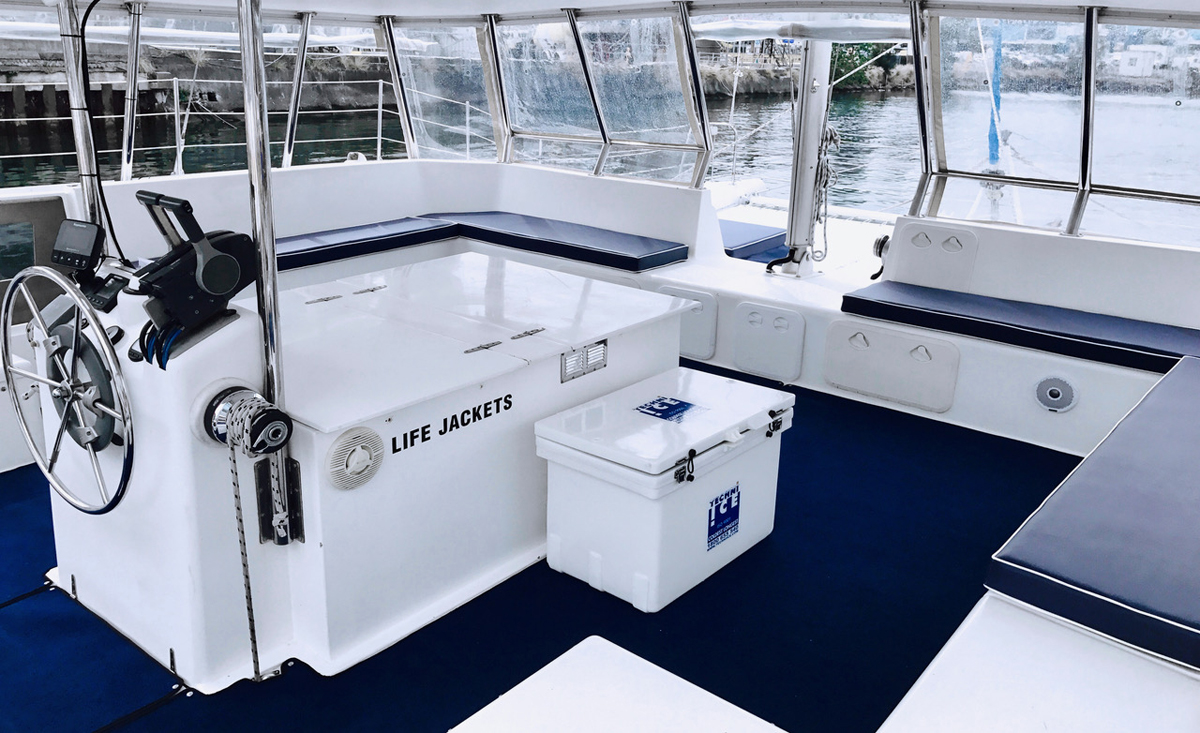
- Eskies, BBQ, and toys all supplied at no extra cost.
A boat can look perfectly fine on the outside while corrosion quietly eats away beneath the surface. The paint still shines. The trailer still rolls smoothly. The engine still starts on command. Yet underneath the metal, tiny chemical reactions may already be weakening bolts, eating through fittings, and slowly shortening the life of your investment.
For boat owners, saltwater is one of the harshest environments imaginable. Every launch into the ocean exposes metal to a powerful mix of moisture, oxygen, heat, and salt — the perfect recipe for corrosion. Even worse, the damage often begins long before visible rust appears.
Many people casually refer to all marine metal damage as "rust," but the reality is more complicated. Boats and trailers can suffer from oxidation, galvanic corrosion, and electrolysis, each caused by different chemical or electrical processes. Understanding the difference is one of the best ways to prevent expensive repairs later on.
Metal naturally wants to return to a more stable chemical state. When exposed to oxygen and moisture, many metals begin losing electrons in a process known as oxidation. Saltwater dramatically speeds this up because dissolved salts increase electrical conductivity, allowing electrochemical reactions to occur more easily.
That is why marine environments are so unforgiving. Even after a boat leaves the water, salt residue remains behind. Tiny salt crystals continue attracting moisture from the air, especially in humid coastal climates. Corrosion can continue quietly while the boat sits parked in a driveway or marina.
Trailers often suffer the most because they are repeatedly submerged during launches and retrievals. Saltwater gets trapped inside hollow steel frames, around bolts, wheel bearings, brake systems, and wiring. Areas hidden from view can deteriorate for years before owners notice a problem.
Many boat owners use these terms interchangeably, but they describe different processes.
Oxidation occurs when metal reacts with oxygen. In steel and iron, this creates iron oxide, commonly known as rust.
4Fe+3O2→2Fe2O3
Rust is especially destructive because it is porous and flaky. Unlike protective coatings, rust allows oxygen and moisture to keep penetrating deeper into the metal, weakening its structural integrity over time.
Not all oxidation looks the same, however. Aluminum forms aluminum oxide, a thin layer that actually helps protect the underlying metal from further damage. Copper develops a greenish patina that can also provide some protection. This is why an aluminum boat may show white chalky oxidation rather than reddish rust.
Still, even metals with protective oxide layers are not immune to corrosion in harsh marine environments.
Galvanic corrosion occurs when two dissimilar metals come into electrical contact in the presence of an electrolyte like saltwater. One metal becomes the "sacrificial" metal and corrodes faster to protect the other.
This commonly happens on boats because marine systems often combine different metals:
The less noble metal corrodes first, often producing pitting and localized damage.
This is why sacrificial zinc anodes are installed on many boats. Zinc is intentionally designed to corrode before more valuable components do. As long as the zinc anode is functioning properly, it absorbs much of the corrosion damage.
Electrolysis is one of the most misunderstood forms of marine corrosion. While galvanic corrosion happens naturally between metals, electrolysis involves stray electrical current flowing through the water or metal components.
Faulty marina wiring, poor grounding, damaged electrical systems, or leaking onboard current can create aggressive corrosion that destroys metal surprisingly quickly.
In severe cases, electrolysis can eat through underwater fittings, propellers, and aluminum hull sections in a short amount of time. Because the damage may occur below the waterline or inside hidden systems, owners often do not notice the issue until major repairs are required.
Boat owners understandably focus on protecting the boat itself, but the trailer is often the first major casualty of corrosion.
Unlike the boat, which may spend only part of its life in the water, trailers are repeatedly dunked into saltwater and then left to dry with salt residue trapped in hard-to-reach areas.
Common trailer trouble spots include:
Painted steel trailers are particularly vulnerable once paint chips expose bare metal. Galvanized trailers generally perform better because zinc coatings provide sacrificial protection, but even galvanization eventually wears down over time.
Aluminum trailers resist rust better than steel, but they are not invincible. Galvanic corrosion can still occur when aluminum contacts incompatible metals in salty conditions.
The dangerous part is that trailer corrosion is not just cosmetic. Structural weakening can eventually lead to axle failures, cracked frames, brake problems, or dangerous highway accidents.

Corrosion often starts subtly. Spotting problems early can prevent much larger repair bills later.
Some common warning signs include:
⚠️ Bubbling or peeling paint
⚠️ Reddish-brown rust streaks
⚠ ️White powdery oxidation on aluminum
⚠️ Pitting on propellers or fittings
⚠️ Stiff or seized components
⚠️ Corroded wiring terminals
⚠️ Weak trailer brakes
⚠️ Flaking metal underneath the trailer
⚠️ Rapid deterioration around bolts or welds
If corrosion appears in one visible area, there is often more damage hidden beneath the surface.
The good news is that corrosion prevention is usually far cheaper than corrosion repair. Small maintenance habits can dramatically extend the life of both boats and trailers.
One of the simplest and most effective habits is rinsing the boat and trailer thoroughly after every saltwater outing. Focus especially on:
Fresh water helps remove salt deposits before they continue attracting moisture and accelerating corrosion.
Moisture trapped in enclosed spaces encourages oxidation. Allow the boat and trailer to dry fully before long-term storage whenever possible.
Ventilation also matters. Humid, enclosed storage areas can accelerate corrosion even when the boat is not being used.
Like regular car detailing applying protective barriers help separate metal from oxygen and moisture. Common options include:
These coatings are especially valuable for exposed trailer components.
Zinc anodes should be checked regularly because they gradually wear away as they protect other metals. Once heavily consumed, they lose effectiveness and should be replaced.
Ignoring worn anodes leaves expensive underwater components vulnerable.
Using dissimilar metals without proper isolation increases the risk of galvanic corrosion. Marine-grade hardware and proper insulation materials can help minimize these reactions.
Because electrolysis involves stray current, electrical maintenance is critical. Faulty wiring, poor grounding, or damaged insulation should be addressed quickly before they trigger severe corrosion damage.
Corrosion is rarely a sudden event.
It is a slow process that compounds over time. What begins as a small patch of rust or minor pitting can eventually compromise structural integrity, reduce resale value, and create major safety risks.
Replacing a heavily corroded trailer, repairing an aluminum hull damaged by electrolysis, or rebuilding corroded braking systems can cost thousands of dollars — often far more than preventative maintenance would have cost in the first place.
Saltwater never truly stops working. Even when the boat is parked, the chemical reactions continue quietly in the background. The best defense is not waiting for visible rust to appear, but preventing corrosion before it ever gains a foothold.
Apr 15, 2026 The qualities of a catamaran
Feb 16, 2026 The True Value of Gold Coast Waterways
Dec 9, 2022 When is a boat a yacht?
Jun 23, 2022 Why Winter on the Gold Coast?
May 21, 2021 Your boat hire your music
Apr 29, 2021 Luxury Yacht Charter Gold Coast
Dec 29, 2020 Boat Charters to Wavebreak Island
Dec 10, 2020 Welcome to Gold Coast Sailing Charters!