Special
- BYO food and drinks
- Eskies, BBQ, and toys all supplied at no extra cost.
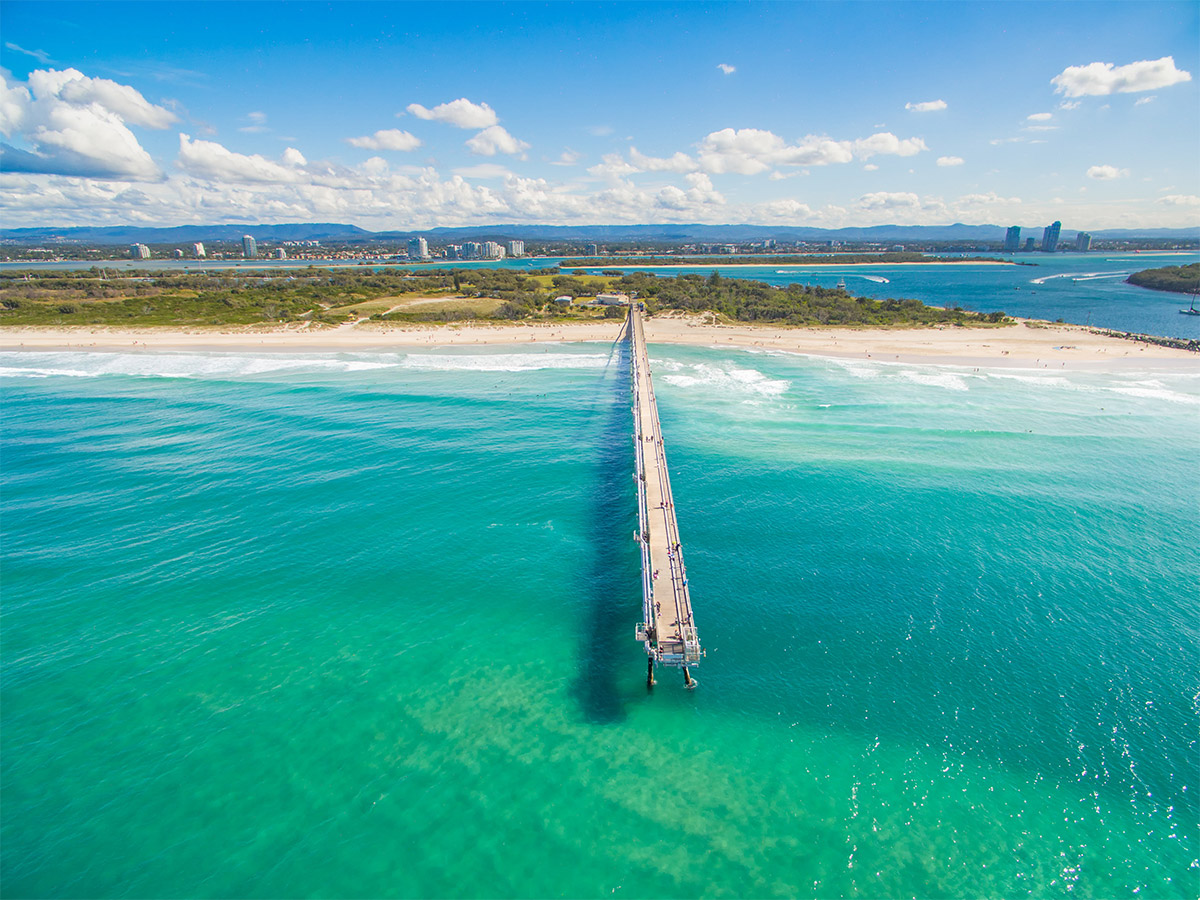
The True Value of Gold Coast Waterways: More Than Just a Scenic Asset
On any given day, the Gold Coast waterways look calm and effortless. Boats glide through canals, paddleboarders drift across the Broadwater, and waterfront homes frame postcard-perfect views.
For many residents and visitors, the waterways are simply part of the scenery — a beautiful backdrop to coastal living.
But beneath the surface, the Gold Coast waterways are doing far more than looking good. They are working assets that generate billions in value, support thousands of jobs, protect the coastline, and shape the city's identity.
For sailing charters, the quality of the waterways is not just a backdrop, it is the product.
Unlike land-based tourism, sailing charters rely entirely on clean, navigable, and visually appealing waterways to deliver their experience. Clear water, healthy marine environments, safe channels, and well-managed access points directly influence customer satisfaction, safety, and repeat business.
Pristine waterways allow charter operators to offer more than a boat ride. They offer immersion — sailing through calm channels, anchoring near seagrass meadows, spotting marine life, and experiencing the Gold Coast from the water as it was intended. When water quality declines, that experience is immediately diminished.
From a commercial perspective, the condition of the waterways affects:
For many visitors, a sailing charter is their most direct interaction with the Gold Coast waterways. In this sense, charter operators act as ambassadors for the region. The experience they deliver shapes how visitors remember the city, not just as a place with beaches, but as a destination defined by its water.
Clean, well-managed waterways also support the growing demand for sustainable and nature-based tourism. As travellers increasingly seek low-impact, experience-led activities, sailing charters depend on healthy waterways to meet those expectations. Degraded water quality or overcrowded channels do not just affect operators; they weaken the Gold Coast's broader tourism offering.
Pristine waterways are not a "nice-to-have" for sailing charters. They are essential infrastructure — determining whether the experience feels world-class or forgettable.
For visitors choosing a sailing charter, water quality sends an immediate signal, even before they step on board.
Clear water, healthy marine life, and well-maintained waterways communicate safety, care, and professionalism.
Murky water, visible pollution, or degraded shorelines do the opposite.
In an industry heavily influenced by online reviews and visual content, first impressions matter.
Sailing charters are often booked for milestone experiences: holidays, celebrations, corporate events, or once-in-a-lifetime trips. When waterways are pristine, they reinforce the perception of the Gold Coast as a premium destination worth investing time and money in. When they are not, the reputational damage extends beyond individual operators to the broader tourism brand.
This makes water quality a form of destination trust infrastructure — something visitors may not consciously evaluate, but instinctively respond to.
Healthy waterways don't just support existing sailing charters; they enable the sector to grow sustainably.
Clean, well-managed waterways allow operators to:
As demand increases for low-impact, experience-led tourism, sailing charters are uniquely positioned to meet this shift. However, that potential depends on waterways being resilient enough to absorb use without degradation.
When waterways are treated as assets to be protected rather than exploited, charter operators can grow alongside environmental outcomes, not at their expense. This balance supports long-term economic value rather than short-term gain.
In this way, investment in waterway health becomes an investment in the future of marine tourism on the Gold Coast.
The waterways are most often associated with recreation: boating, fishing, swimming, and waterfront dining. While these uses are highly visible, they represent only one layer of value.
In reality, the waterways function as natural capital. Like roads, parks, and public transport, they provide essential services that support economic activity, liveability, and long-term growth. Rather than being passive features of the landscape, they are active systems that underpin how the city works.
This perspective shifts the conversation. Instead of viewing waterways as optional amenities, they can be understood as critical infrastructure that requires planning, investment, and protection.
Measured in economic terms, the contribution of the Gold Coast waterways is substantial.
Studies estimate that the waterways contribute approximately $440 million per year to the region's Gross Regional Product, rising to around $770 million annually when indirect and flow-on impacts are included. This economic activity supports a wide range of industries, including tourism, marine services, events, hospitality, and recreation-based businesses.
Employment impacts are equally significant. Around 4,000 jobs are directly supported by waterway-related activity, with a further 2,000 jobs generated indirectly through supply chains and associated spending. These benefits are spread across the city, from canal estates and rivers to marinas and the Broadwater.
Importantly, this contribution is ongoing rather than one-off. As long as the waterways remain healthy and accessible, they continue to generate economic value year after year.
The Gold Coast waterways are often admired for their beauty, but their true value lies in how deeply they are woven into the city's economy, lifestyle, and identity.
They generate billions in economic activity, support thousands of jobs, protect the coastline, and provide essential ecosystem services that would be costly to replace.
Yet perhaps the clearest way to understand their importance is through how they are experienced.
For sailing charters, the waterways are not a backdrop: they are the experience itself.
Clean water, healthy marine environments, safe navigation, and uncrowded channels are what transform a simple outing into something memorable. They shape visitor trust, influence perception, and determine whether the Gold Coast feels world-class or ordinary from the water.
Every successful charter, every returning visitor, and every positive review reflects the condition of the waterways beneath the hull. When those waterways are pristine, the value flows outward — to tourism, to local businesses, and to the city's reputation as a destination defined by water.
Gold Coast Waterways Authority. (2023). Gold Coast Waterways Strategy.
Gold Coast Waterways Authority. (n.d.). The value of the waterways.
Urbis. (2012). Gold Coast Broadwater Economic Assessment: Baseline Report.
May 12, 2026 Protecting your boat or trailer from rust
Apr 15, 2026 The qualities of a catamaran
Dec 9, 2022 When is a boat a yacht?
Jun 23, 2022 Why Winter on the Gold Coast?
May 21, 2021 Your boat hire your music
Apr 29, 2021 Luxury Yacht Charter Gold Coast
Dec 29, 2020 Boat Charters to Wavebreak Island
Dec 10, 2020 Welcome to Gold Coast Sailing Charters!